FanousArabic stories for children

Fanous · Arabic stories for children

Arabic stories your child will listen to, read — and love

Help your child learn to read Arabic with stories: bedtime stories and picture books in simple, fully vowelled Arabic, read aloud word by word so children hear every word as they see it. From first words to confident reading — any age, anywhere.

Picture books for ages 4–7 · Bilingual Arabic–English readers for older children, teens and adults · Any phone, tablet or computer · Book 1 of every series is free
Why children — and parents — love these books

Series · 28 books

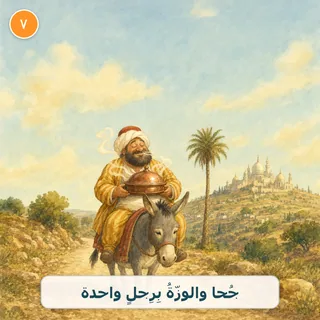
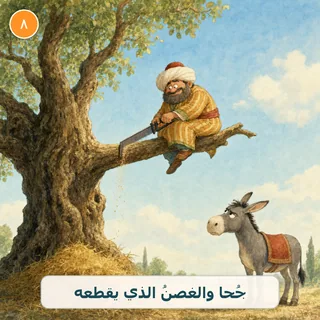
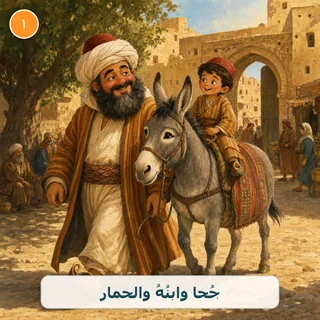
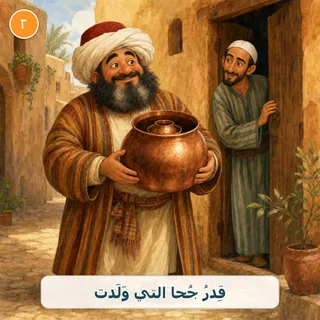
Juha's Tales نوادر جحا

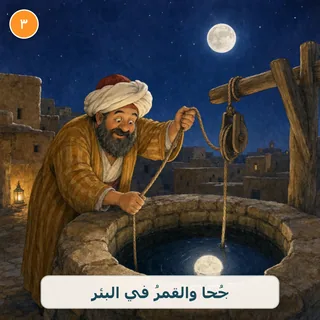
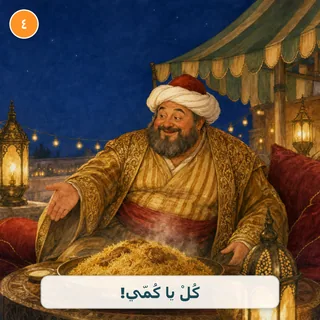
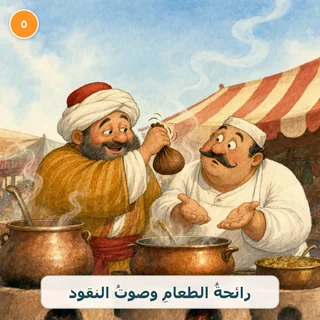
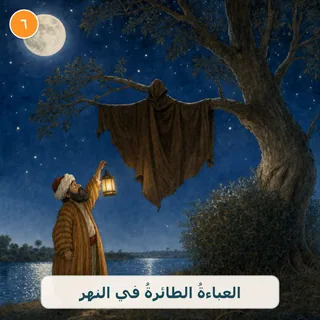
Juha is the beloved trickster of Arabic folklore: a kind, simple, funny man who lives with his donkey in an old Arab town and sees the world a little differently. Each book in Juha's Tales retells one classic anecdote in simple, fully vowelled Modern Standard Arabic, with a gentle lesson a young child can understand. The stories come from the public-domain Arabic tradition, so parents who grew up with Juha will recognise every one of them.

See all 28 books

Series · 15 books

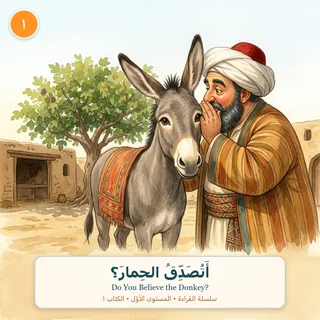
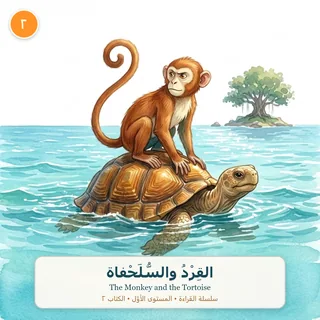
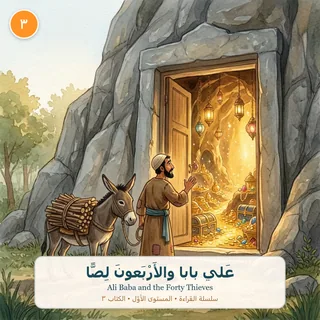
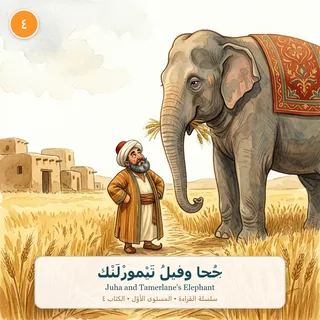
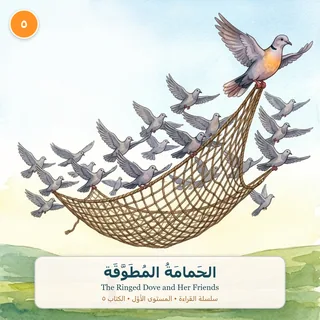
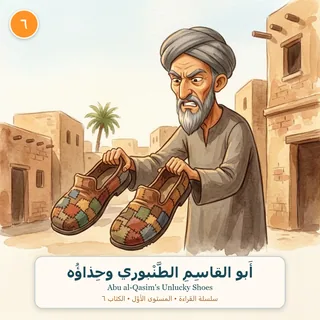
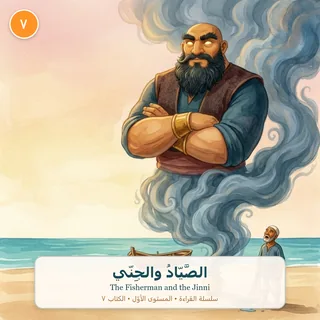
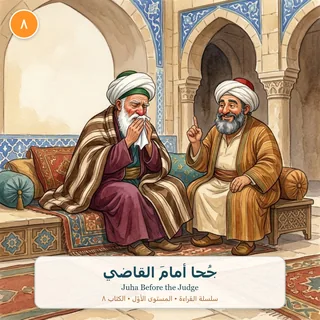
Arabic Readers Level 1 سلسلة القراءة — المستوى الأوّل

A graded series for teens and adults learning to read Arabic — from complete beginners to those who understand Arabic but read it slowly. Level 1 retells fifteen classic tales (Juha, Kalila wa Dimna, the Thousand and One Nights, Arabic legend) in simple, fully vowelled Arabic, each scene followed by natural English, both read aloud with every word highlighted.

See all 15 books

Coming soon: Arabic Readers Level 2 and Level 3 — the same bilingual read-aloud format, with longer stories and richer Arabic for readers ready for the next step.

Printable worksheets for home and class

Arabic alphabet workbooks, picture flashcards and a Ramadan planner: PDF files to print in A4 or US Letter.

See the printables

How children learn to read Arabic here

  1. 1. Listen

    A clear Arabic voice reads the story while every word lights up. Children hear the sounds of Arabic before they are asked to read a single word.

  2. 2. Follow

    Full tashkeel on every word means a child who knows the letters can follow — and sound out — any word on the page, no guessing.

  3. 3. Read

    Turn Read Aloud off for one page and let your child try. Short bedtime-length stories make it easy to finish a book and ask for another.

How to help at home — even if you don't read Arabic

Common questions

What are Fanous books?

Fanous books are Arabic stories that children listen to and read: picture books and bedtime stories for young children, and bilingual Arabic–English readers for older children, teens and adults. Every book is in simple Modern Standard Arabic with full tashkeel, and every page is read aloud with each word highlighted as it is spoken. There are 43 books across Juha's Tales, Arabic Readers Level 1, and new series are on the way.

How do I teach my child to read Arabic at home?

Start with listening: play a short, fully vowelled story with Read Aloud and let your child follow the highlighted words. Then read one page together, then let them try a page alone. Ten minutes a day, the same story again and again, is more effective than long lessons. Our For Parents page has the full routine.

At what age can a child start learning to read Arabic?

Children can listen to Arabic stories from age two or three, and most are ready to start reading fully vowelled words between four and six. Fanous picture books are written for ages 4–7; the bilingual readers suit children from about ten, as well as teens and adults.

Where can I find Arabic bedtime stories for kids?

Right here. Every Fanous picture book is a bedtime-length story — one tale, a gentle lesson, read aloud in a calm Arabic voice — and Book 1 of each series is free. Sign in with your email and read it tonight on any phone or tablet.

All questions →